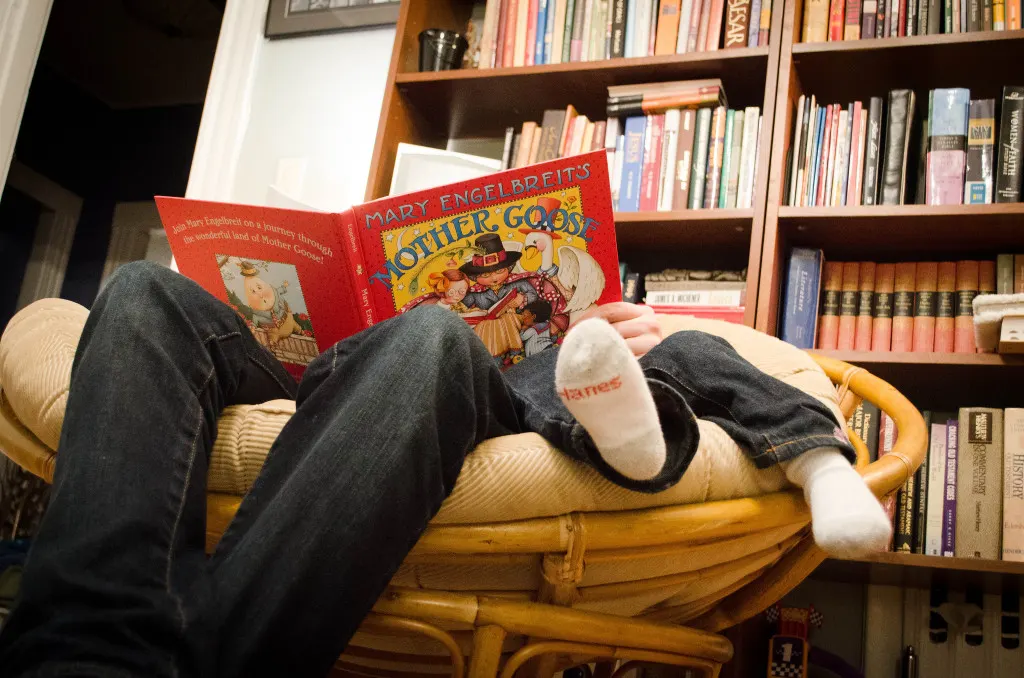
Helping a preschooler become a reader is not about racing through flash cards or expecting a four-year-old to read independently. Early literacy grows through conversation, stories, songs, play and repeated encounters with print. The goal is to make language meaningful and books enjoyable while your child develops at their own pace.
The American Academy of Pediatrics encourages shared reading from infancy because it supports language and literacy while nurturing the caregiver-child relationship. Those benefits do not depend on completing a certain number of books or following a rigid lesson plan.
1. Create a small, repeatable reading routine
A predictable reading moment is more useful than an ambitious schedule that your family cannot sustain. Choose a time that already has a natural pause: after breakfast, before a nap, while waiting for an appointment or as part of bedtime.
Start with a few minutes. If your child wants to continue, keep going. If they lose interest, stop without turning the book into a struggle. Preschoolers may listen while moving, hold a toy during the story or return to the same page several times.
Repetition is productive. Hearing a familiar book again helps children anticipate words, notice patterns and participate in telling the story. Let your child choose favourites, even when you have read them many times.
Try keeping a small basket of books where your child plays and rotating a few titles every week. Libraries, neighbourhood book exchanges and second-hand shops can make variety affordable.
2. Talk with your child, not only at them
Shared reading becomes especially rich when it is a conversation. Pause to notice a picture, wonder what a character feels or connect the story to something your child knows.
You might ask:
- “What do you notice on this page?”
- “What do you think will happen next?”
- “Why might the character feel worried?”
- “Have we ever seen an animal like that?”
Questions should be invitations, not a quiz. Give your child time to answer with words, gestures, signs or by pointing. If they offer one word, you can gently expand it: “Yes, a red truck. The red truck is climbing the hill.”
The CDC’s milestones and activity suggestions for age three include asking children what is happening in pictures, predicting what may happen next and expanding on what they say. These same back-and-forth habits can happen during meals, walks and play—not only with a book open.
3. Play with sounds, letters and names
Preschoolers can explore how language works without formal drills. Sing rhyming songs, clap the syllables in family names, notice words that begin with the same sound and make up silly alliterations.
Use print that already matters to your child. Point out the first letter of their name on artwork, a cubby label or a birthday card. Invite them to help “read” a familiar stop sign, grocery label or recipe heading. Magnetic letters, sidewalk chalk and crayons can make letter shapes part of play.
Follow interest. If your child asks what a letter says, answer and explore it together. If they would rather tell a story with the letter magnets than name them, that imaginative play is still using language.
Do not correct every invented word or backward letter. Early marks and pretend writing are part of learning that symbols can carry meaning.
4. Choose books that invite participation
Look for clear pictures, engaging language and subjects your child already loves. Rhymes, repeated phrases, counting books, wordless picture books and nonfiction about animals or machines all create different ways to join in.
Offer stories that reflect your child’s family, language, culture and daily life, along with books that introduce other communities and experiences. Read in the language you use most comfortably. Warm, responsive conversation matters more than forcing a language in which the caregiver cannot interact naturally.
Adapt the experience to your child. The AAP’s guidance for children with health or developmental needs suggests options such as sturdy pages, textured books, audiobooks, signs, sound buttons, shorter reading periods and positioning the book where a child can see and reach it.
Audiobooks and digital books can be useful, especially for access or travel. When possible, stay involved: pause, talk about the story and invite your child to respond rather than making the device the entire interaction.
5. Let reading lead into play and everyday life
A story does not need to end when the book closes. Act out a scene with stuffed animals, draw a new ending, build the character’s house with blocks or cook something mentioned in the story. These activities help children use new words and ideas in another context.
Let your child see adults use print for real purposes: reading a bus schedule, following directions, checking a recipe or writing a shopping list. Invite them to contribute a drawing or pretend word to the list. This shows that reading and writing help people do things—not just complete schoolwork.
What if my preschooler is not reading yet?
Most preschoolers are still developing the language, memory and visual skills needed for formal reading. The AAP explains that there is no need to push a four-year-old to read; showing interest in books, listening to stories, recognizing some letters or pretending to read are all meaningful early steps.
Avoid comparisons with siblings or classmates. If you are concerned about your child’s hearing, speech, language, vision or overall development, raise the concern with their health-care provider or early childhood educator. The CDC’s developmental milestone resources can help you prepare observations and questions, but they do not replace an individual assessment.
The most helpful reading routine is one your child associates with connection and curiosity. Read together, respond to what interests them and let the skills grow from there.
This article provides general educational information and is not a substitute for advice from your child’s health-care or education professionals.
Sources
- American Academy of Pediatrics: Shared reading starting in infancy
- American Academy of Pediatrics: Is your child ready to read?
- CDC: Milestones by 3 years
Cover photo adapted from an image by Kelly Sikkema.